

Confidence Starts from Within
Nourish, Repair and Regrow with Fixx
150
Shedding up to 150 hairs a day is part of the body's natural rhythm. But over time, age-related changes can influence the delicate balance of the hair growth cycle.
200
unique components isolated from ginseng, including ginsenosides, which play a role in the hair growth cycle.
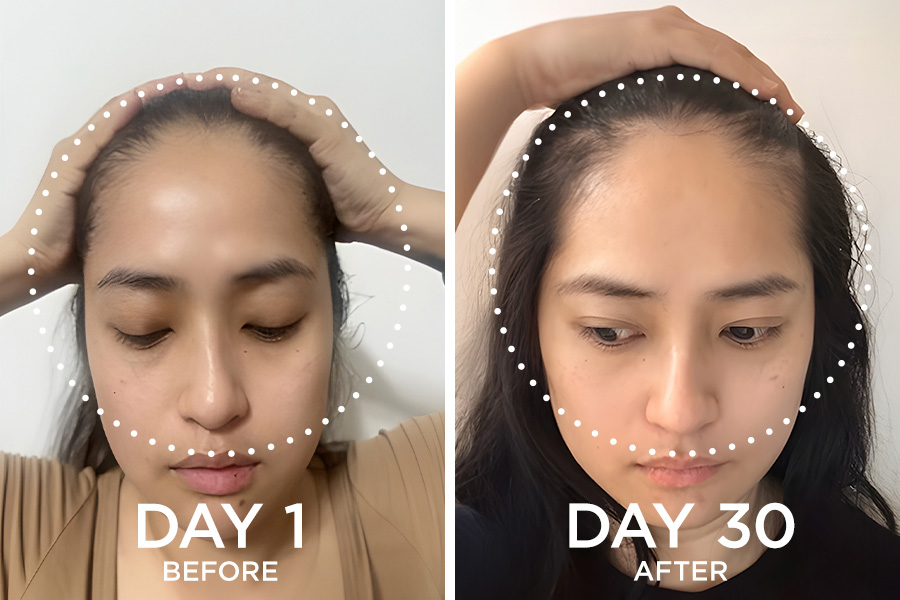
Hairline Finally Coming Back!
"The hairline on my forehead was getting higher and higher, but now more hair is growing!"
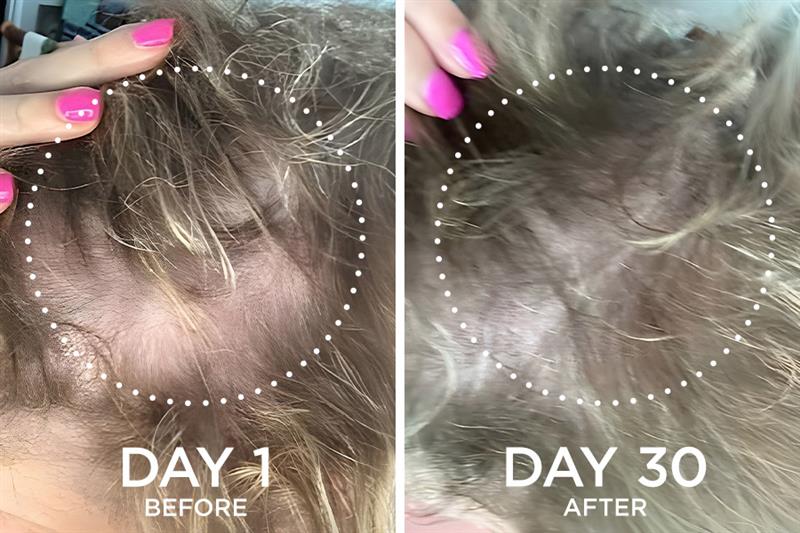
Take that!
"Started the duo June 15th..... How is this possible?? I'm crying!!"
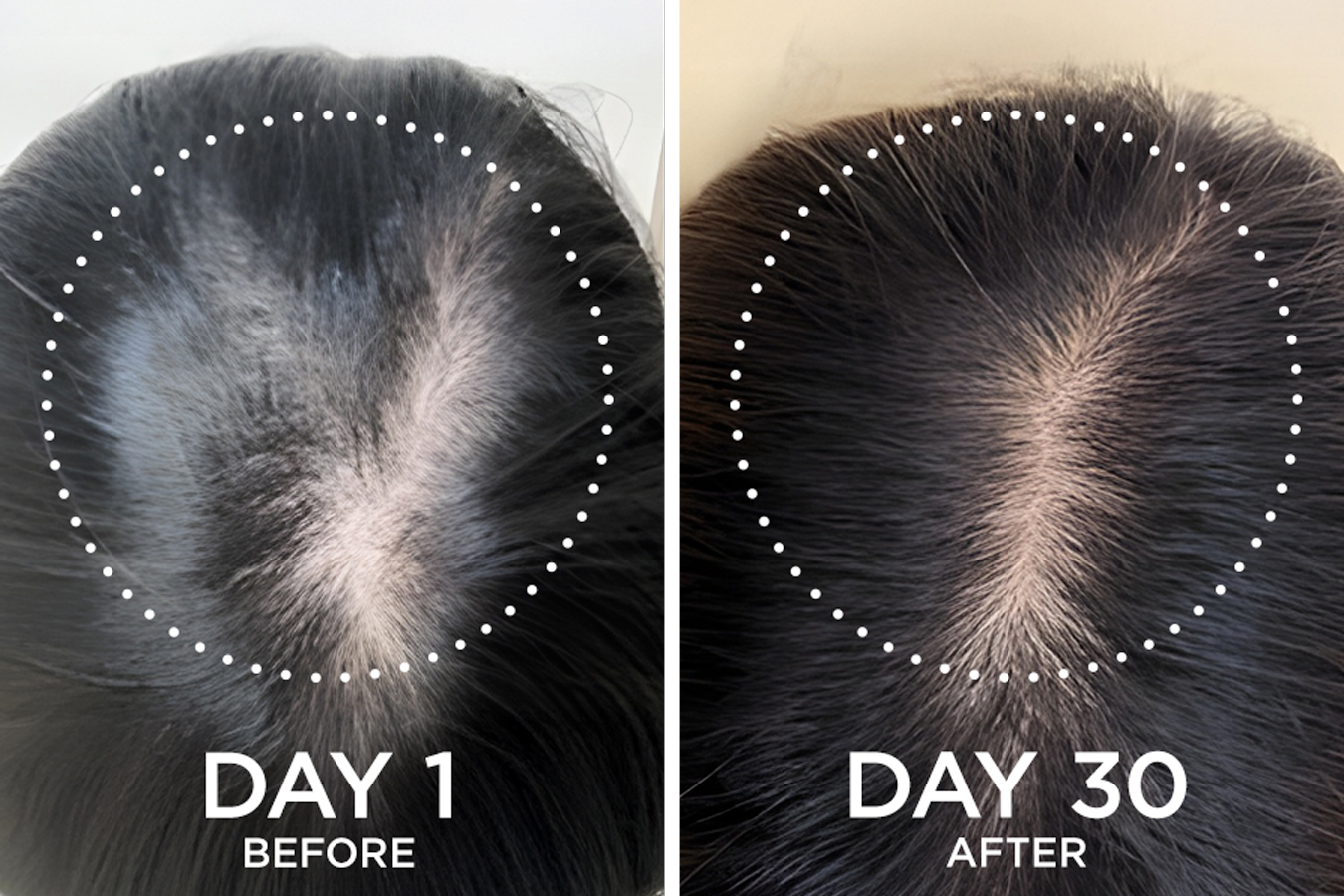
Thicker Parting Line and Smoother Bangs!
"The density of the hair parting line has increased significantly. The serum feels very refreshing, the smoothness of the bangs has improved significantly, and the smell is very pleasant."
"No More ‘Medication Hair’ —It’s Thriving!"
"I have what they call 'medication hair'. I have gotten so many compliments that my hair looks the healthiest it’s been in years. It feels thicker and appears fuller. I can’t see through it anymore. It feels longer and is getting in the way of things now. It is definitely softer and lays nicer. My scalp feels healthier and doesn’t feel oily when I go a few days between washes. I have a lot of new hair in the front hairline."
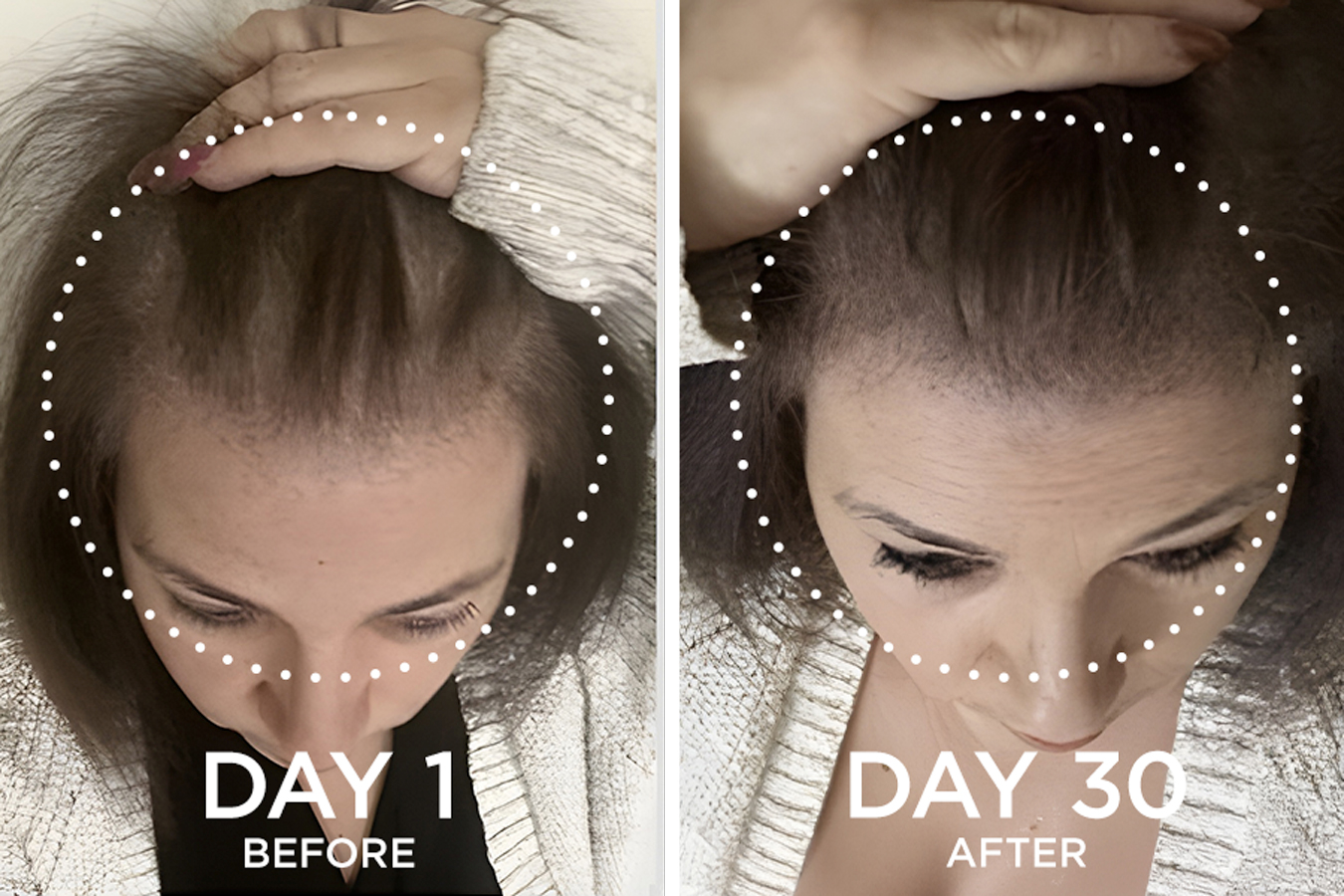
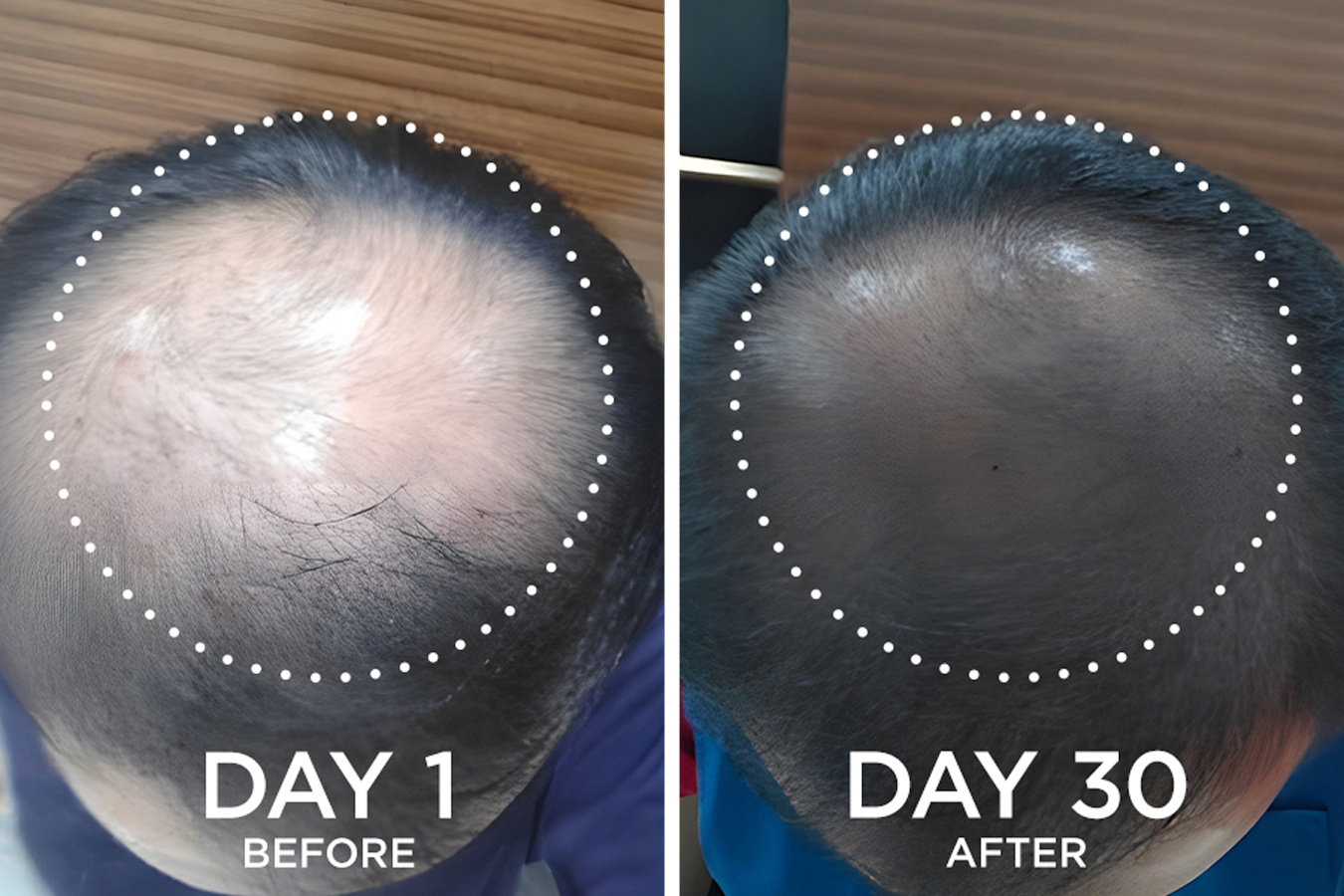
Fine Hairs Already Sprouting—So Surprised!
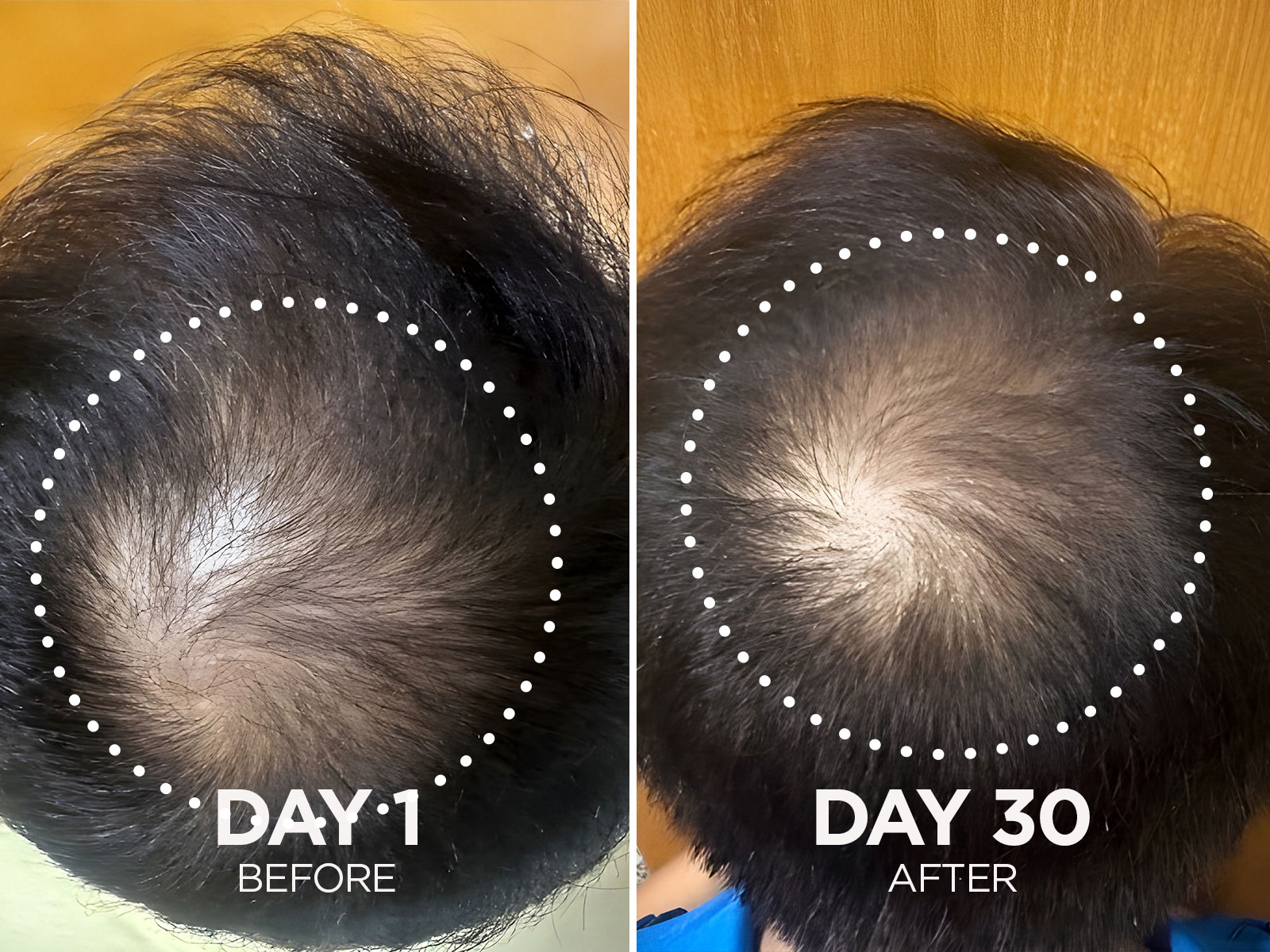
"When I first started using this serum, I just wanted to give it a try. I originally thought it would take three months to see any obvious results, but after using it consistently for just one month, I was genuinely surprised! I could clearly see fine hairs growing all over the once-sparse areas on my crown. I'm really looking forward to a few months from now when my hair might completely cover my scalp, and I can become the confident person I was when I was younger!"
1 / 5
Support your hair - from inside and out
For support for healthy hair, look no further than vitamin B complex. Fixx Hair Growth Serum contains niacinamide, a form of vitamin B3 that helps keep the scalp hydrated and helps reduce the appearance of oily scalp and redness. Fixx Hair Support Tabs offer biotin, often referred to as the ''beautification vitamin,'' which is well known for its ability to promote keratin production. Keratin is a vital protein that promotes hair’s strength and vibrancy while also supporting the overall health of hair, skin and nails.
Real People. Real Results.
In an internal pilot study, 75% of participants experienced measurable improvements in hair growth, density and overall hair quality after 90 days of consistent use of the Fixx Hair Growth Duo.†
Directions for Use
Fixx Hair Growth Serum
Apply five drops of serum directly to your scalp twice daily, sectioning wet or dry hair with fingers as you go. Use enough serum to cover areas of concern. Massage scalp with fingertips.
Fixx Hair Support Tabs
Take four tablets daily with a meal. Take with a full glass of water at the same time each day.
Fixx Hair Growth Duo
For best results, use both Fixx Hair Growth Serum and Fixx Hair Support Tabs as directed at the same time each day to experience thicker, fuller-looking hair.
Key Ingredients & Benefits
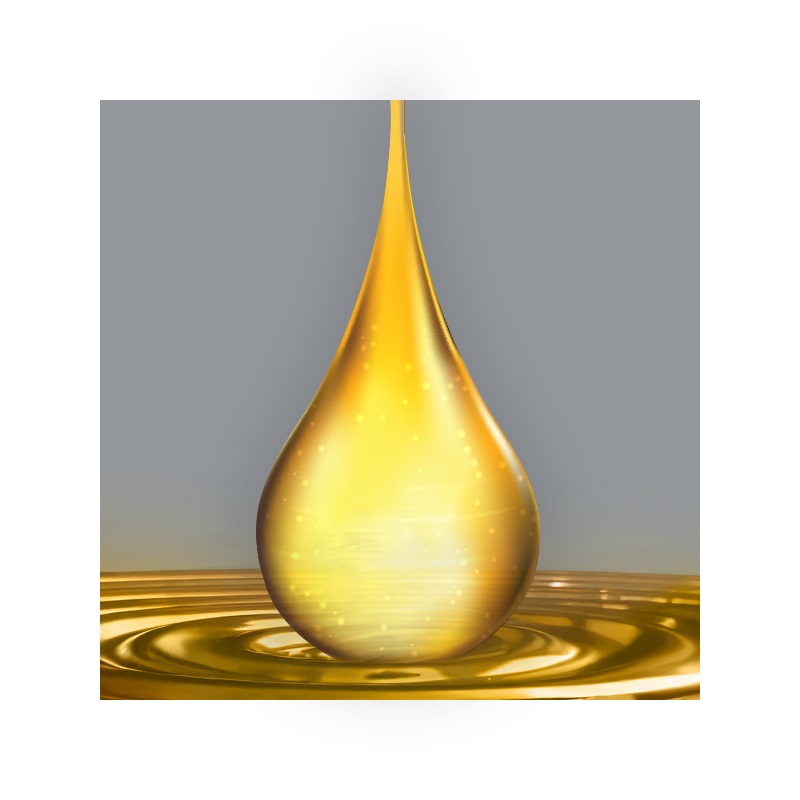
Serum: Kerascalp™ (Glycerin + Propanediol + Phyllanthus Emblica Fruit Extract)
Promotes thicker and fuller hair
Strengthens hair
Enhances shine
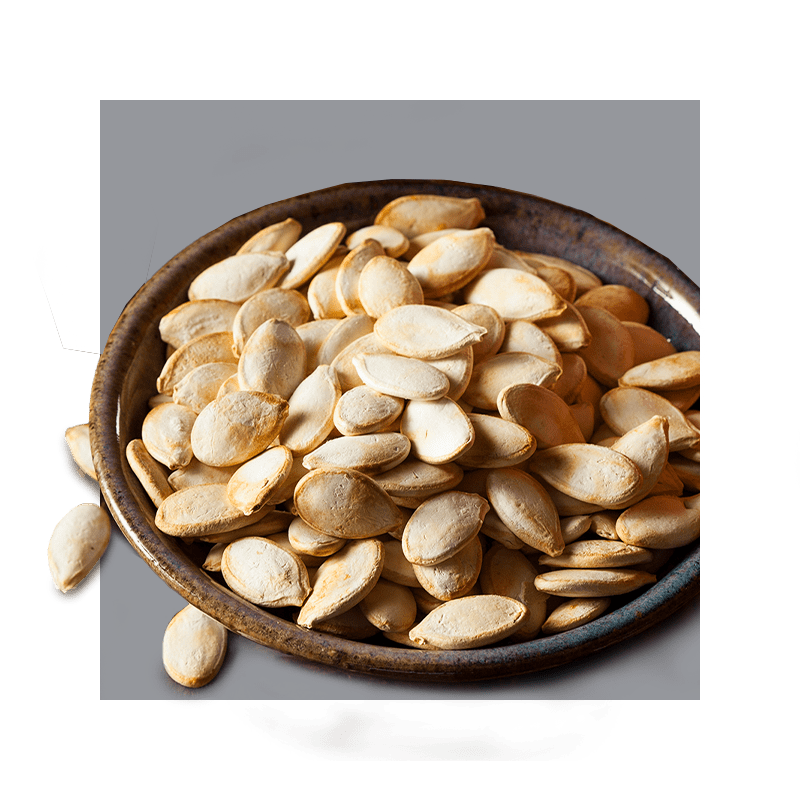
Tabs: Pumpkin Seed Extract
Rich in oil, protein, alpha-tocopherols and carbohydrates
Free radical scavenger and antioxidant
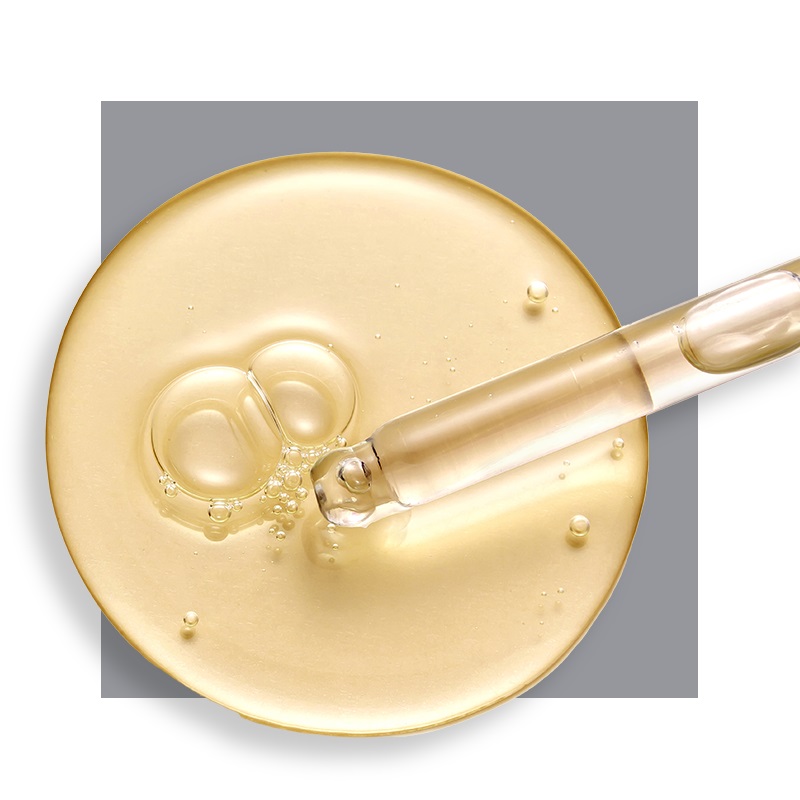
Serum: Probiotics with Exosomes
Naturally enriched with exosomes
Helps soothe the scalp
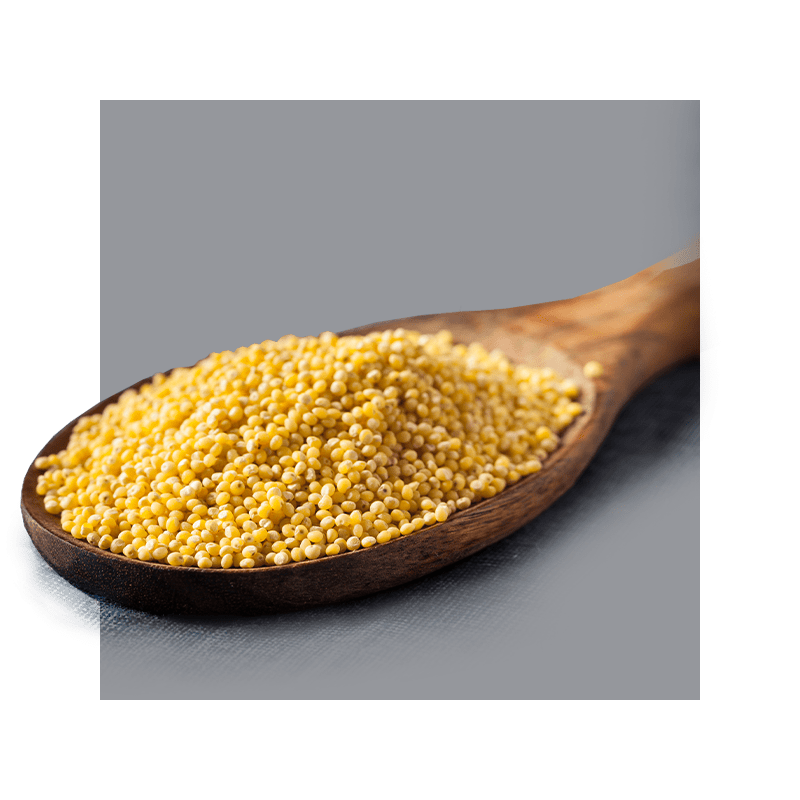
Tabs: Foxtail Millet Extract
Rich in phytochemicals that may influence hair health
Supports hair health, due to its natural content of cysteine and silicon (a micromineral)
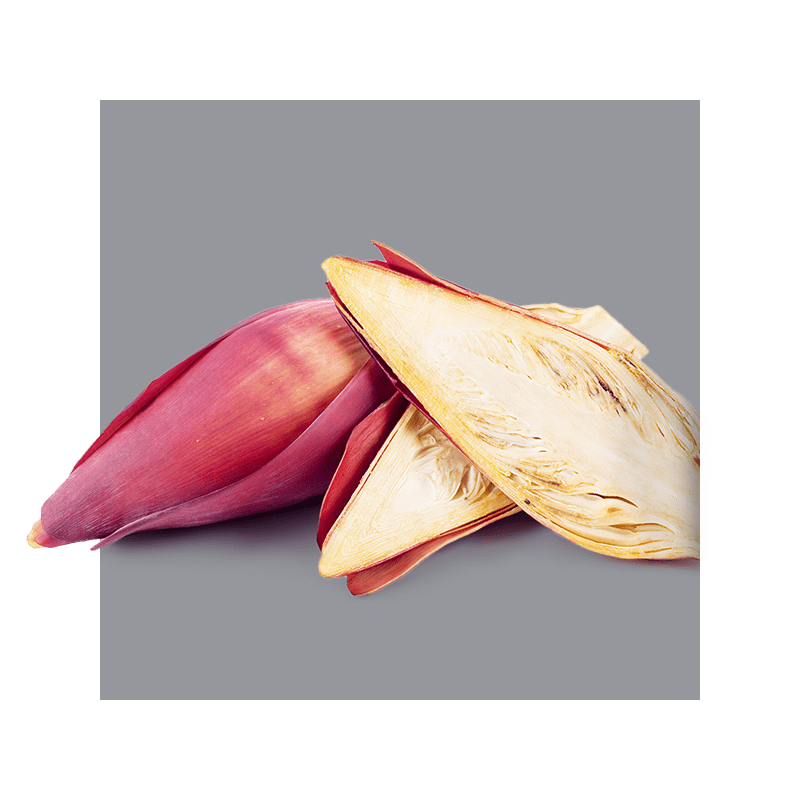
Banana Flower Extract
Helps support fuller-looking hair
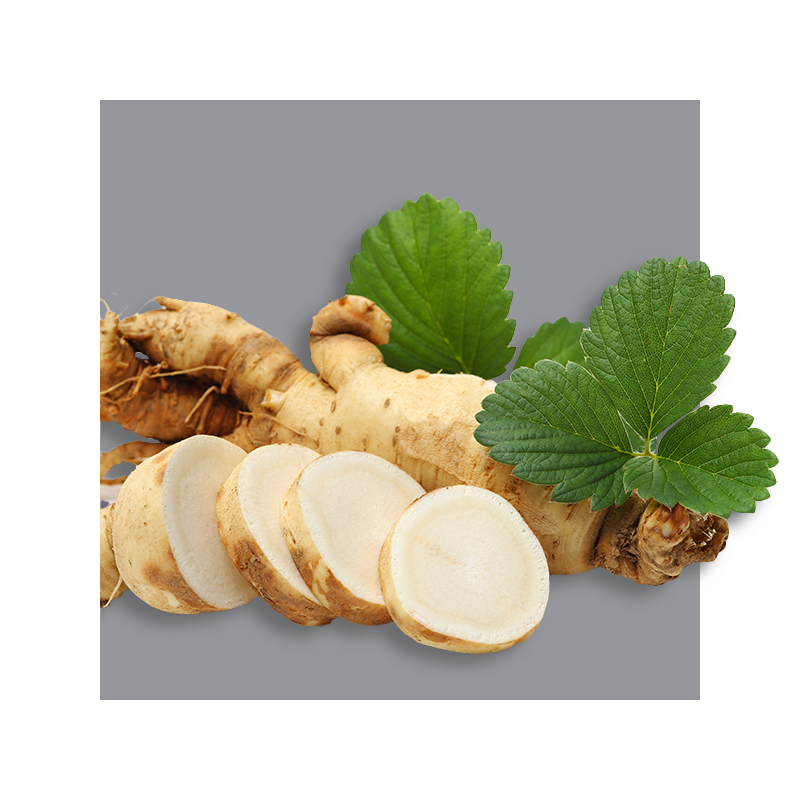
Tabs: Ginseng
Used in traditional Chinese culture for thousands of years
Plays a role in regulating activity of key proteins involved in phases of hair growth
May support hair thickness and density
Healthier-Looking Hair
By addressing multiple factors in the hair cycle, our formula helps create an optimal environment for healthier-looking hair in both men and women. Fixx Hair Support Tabs provides the body with vitamins, minerals and other nutrients that work from the inside out, while Fixx Hair Growth Serum promotes a healthy head of hair through topical application that delivers select nutrients directly to the scalp.
Frequently Asked Questions
Is Fixx™ Hair Growth Serum tested on animals?
Fixx™ does not conduct or commission animal testing of any finished product(s).
I am sensitive to caffeine; can I still use Fixx™ Hair Growth Serum?
Yes! Caffeine in topical products works differently than when it’s consumed orally. When applied to the skin, caffeine primarily works as an antioxidant without causing the systemic effects associated with consuming caffeine, such as increased heart rate or jitters. However, it’s always wise to conduct a patch test first to ensure you don’t have any adverse reactions on your skin. If you experience any irritation or discomfort, it’s best to discontinue use and consult with a dermatologist.
Can I use Fixx™ Hair Growth Serum with other Fixx™ products?
Yes, Fixx™ products are designed to work together. Fixx™ Thick Hair Shampoo & Conditioner would be a perfect complement while using Fixx™ Hair Growth Serum to ensure hair is looking thicker, fuller and soft.
What is the average daily hair loss?
Someone with a healthy hair growth cycle experiences a loss of 100-150 hair follicles a day, portraying a healthy balance of hair follicles within the anagen (actively growing) and telogen (resting) phase with a ratio falling around 14:1 to 12:1. Losing well over that amount of hair on a daily basis may be an indication of having an off-balance or decreased ratio of anagen to telogen hair growth. Male- and female-pattern hair loss typically have a ratio of 5:1, where those who experience hair loss due to hair follicles prematurely entering the telogen stage may have a ratio closer to that of 8:1; meaning that they have shorter anagen cycles or less hair actively growing than in the resting phase of the hair growth cycle.
What are additional ways to support hair growth?
Aside from oral or topical supplementation, massaging the scalp to naturally stimulate hair follicles, getting an adequate amount of sleep and maintaining healthy hormonal balance and stress levels can all help promote the elongation of the anagen phase.
What are the stages of hair growth?
It is estimated that each hair on the head will go through the hair growth cycle between one and thirty times throughout its lifetime. There are four primary phases that each strand of hair goes through throughout this process: the active growth phase (anagen), regression or transitional phase (catagen), resting phase (telogen) and the shedding phase (exogen), in which the hair follicle returns to the active growth stage again. On average, between 100 and 150 strands are lost through shedding each day. The anagen phase, lasting anywhere between two to eight years typically, is responsible for the length of hair growth and becomes shorter and shorter as one ages.
What role does pumpkin seed oil play in promoting hair growth?
Hormones play a large role in hair growth, and males seem to get the short end of the stick when it comes to hair loss in comparison to women; one culprit is testosterone. When testosterone is met with the enzyme alpha-5 reductase, it is converted into another hormone known as dihydrotestosterone (DHT), which then binds to the hair follicles. If DHT levels are too high, it may overstimulate the hair follicles, causing them to prematurely enter the telogen phase of the hair growth cycle and remain in that phase for longer periods of time. Ultimately, this can lead to shrinkage of the hair follicles and hair loss. Pumpkin seed oil has been used to support hair growth because of its role in supporting normal DHT levels.
How does ginseng promote hair growth?
Ginseng has been shown to have stimulatory effects on hair follicles, promoting hair growth. A 12-week study in which participants supplemented with a formulation containing ginseng reported an increase in both hair density and thickness. Participants who supplemented with a formulation containing ginseng reported an increase in hair density from 44.27/cm2 to 101.39/cm2 and thickness from .062 mm to .085 mm. Dermatology experts blindly reviewed the results, measuring hair growth recovery on a scale from 1-4 with 1 representing no recovery, 2 representing poor, 3 representing partial or 4 representing marked recovery. The average score of hair growth recovery reported among experts was 3.6 for the ginseng supplementation group and 3.1 for the group who did not supplement with ginseng; this revealed a large statistical difference between the two groups and demonstrates ginseng’s effectiveness for supporting hair regrowth and recovery.8
Are Fixx™ Hair Support Tabs safe?
The product is safe and free of harmful agents. The product is made in Taiwan in an FDA-registered facility using Good Manufacturing Practices. Customers can have confidence in the quality and safety of this product.
Research Scope
75%
In an internal pilot study, 75% of participants using Fixx Hair Growth Duo experienced improvements in overall hair quality after 90 days of consistent use.†
- Cho, Y. H., Lee, S. Y., Jeong, D. W., Choi, E. J., Kim, Y. J., Lee, J. G., Yi, Y. H., & Cha, H. S. (2014). Effect of pumpkin seed oil on hair growth in men with androgenetic alopecia: a randomized, double-blind, placebo-controlled trial. Evidence-based complementary and alternative medicine : eCAM, 2014, 549721. https://doi.org/10.1155/2014/549721
- Clinic, C. (2024, October 18). Is biotin as good as advertised for your hair loss? Cleveland Clinic. https://health.clevelandclinic.org/is-biotin-as-good-as-advertised-for-your-hair-loss
- Almohanna, H. M., Ahmed, A. A., Tsatalis, J. P., & Tosti, A. (2018). The role of vitamins and Minerals in hair loss: a review. Dermatology and Therapy, 9(1), 51–70. https://doi.org/10.1007/s13555-018-0278-6
- Parekh, M. (2023, November 6). Why excessive vitamin A can cause hair loss. Wimpole Clinic. https://wimpoleclinic.com/blog/why-excessive-vitamin-a-can-cause-hair-loss/
- What Sebum Is and How it Affects Your Hair and Skin. (n.d.). TELETIES. https://www.teleties.com/blogs/teletimes/what-sebum-is-and-how-it-affects-your-hair-and-skin
- Eske, J. (2020, December 15). What is sebum? https://www.medicalnewstoday.com/articles/sebum
- Natarelli, N., Gahoonia, N., & Sivamani, R. K. (2023). Integrative and Mechanistic Approach to the Hair Growth Cycle and Hair Loss. Journal of clinical medicine, 12(3), 893. https://doi.org/10.3390/jcm12030893
- Oh, G. N., & Son, S. W. (2012). Efficacy of korean red ginseng in the treatment of alopecia areata. Journal of ginseng research, 36(4), 391–395. https://doi.org/10.5142/jgr.2012.36.4.391
- Truong, V. L., & Jeong, W. S. (2021). Hair Growth-Promoting Mechanisms of Red Ginseng Extract through Stimulating Dermal Papilla Cell Proliferation and Enhancing Skin Health. Preventive nutrition and food science, 26(3), 275–284. https://doi.org/10.3746/pnf.2021.26.3.275
- Is Zinc Good for Hair Growth? Here’s What the Science Says. (n.d.). Health and Wellness. https://www.nutrisense.io/blog/is-zinc-good-for-hair-growth?
- Choi, N., Kim, K. C., Jeong, P., & Kim, B. (2023). Effects of the Complex of Panicum miliaceum Extract and Triticum aestivum Extract on Hair Condition. Nutrients, 15(20), 4411. https://doi.org/10.3390/nu15204411
- Choi, Bu. 2018. “Hair-Growth Potential of Ginseng and Its Major Metabolites: A Review on Its Molecular Mechanisms.” International Journal of Molecular Sciences19 (9): 2703. https://doi.org/10.3390/ijms19092703.
- Andrade, Enrico de, Alexandre A. de Mesquita, Joaquim de Almeida Claro, Priscila M. de Andrade, Valdemar Ortiz, Mário Paranhos, and Miguel Srougi. 2007. “Study of the Efficacy of Korean Red Ginseng in the Treatment of Erectile Dysfunction.” Asian Journal of Andrology9 (2): 241–44. https://doi.org/10.1111/j.1745-7262.2007.00210.x.
- Park, Gyeong‐Hun, Park Ki-Young, Hong-Il Cho, Sang‐Min Lee, Ji Su Han, Chong Hyun Won, Sung Eun Chang, et al. 2015. “Red Ginseng Extract Promotes the Hair Growth in Cultured Human Hair Follicles.” Journal of Medicinal Food18 (3): 354–62. https://doi.org/10.1089/jmf.2013.3031.
- Keum, Dong In, Long-Quan Pi, Sungjoo Tommy Hwang, and Won-Soo Lee. 2016. “Protective Effect of Korean Red Ginseng against Chemotherapeutic Drug-Induced Premature Catagen Development Assessed with Human Hair Follicle Organ Culture Model.” Journal of Ginseng Research40 (2): 169–75. https://doi.org/10.1016/j.jgr.2015.07.004.
- Y. Kamatar, Brunda S. M, Sanjeevsingh Rajaput, H. H. Sowmya, and Giridhar Goudar, Ramaling Hundekar. 2015. “Nutritional Composition of Seventy Five Elite Germplasm of Foxtail Millet (Setaria Italica).” International Journal of Engineering Research AndV4 (04). https://doi.org/10.17577/ijertv4is040075.
- Hair restoration efficacy of a food ... Accessed December 12, 2024. https://www.shinryo-to-shinyaku.com/db/pdf/sin_0053_02_0129.pdf.
- Xanthopoulou, Marianna N., Tzortzis Nomikos, Elizabeth Fragopoulou, and Smaragdi Antonopoulou. 2009. “Antioxidant and Lipoxygenase Inhibitory Activities of Pumpkin Seed Extracts.” Food Research International42 (5): 641–46. https://doi.org/10.1016/j.foodres.2009.02.003.
- Lestari, Beni, and Edy Meiyanto. 2018. “A Review: The Emerging Nutraceutical Potential of Pumpkin Seeds.” Indonesian Journal of Cancer Chemoprevention9 (2): 92–101. https://doi.org/10.14499/indonesianjcanchemoprev9iss2pp92-101.
- Cho, Young Hye, Sang Yeoup Lee, Dong Wook Jeong, Eun Jung Choi, Yun Jin Kim, Jeong Gyu Lee, Yu Hyeon Yi, and Hyeong Soo Cha. 2014. “Effect of Pumpkin Seed Oil on Hair Growth in Men with Androgenetic Alopecia: A Randomized, Double-Blind, Placebo-Controlled Trial.” Evidence-Based Complementary and Alternative Medicine: ECAM2014: 549721. https://doi.org/10.1155/2014/549721.
- Kil, Min Seong, Chul Woo Kim, and Sang Seok Kim. 2013. “Analysis of Serum Zinc and Copper Concentrations in Hair Loss.” Annals of Dermatology25 (4): 405. https://doi.org/10.5021/ad.2013.25.4.405.
- Abdel Fattah, Nermeen S A, Mona M Atef, and Suzan M Q Al-Qaradaghi. 2016. “Evaluation of Serum Zinc Level in Patients with Newly Diagnosed and Resistant Alopecia Areata.” International Journal of Dermatology55 (1): 24–29. https://doi.org/10.1111/ijd.12769.
- Duncan, F. Jason, Kathleen A. Silva, Charles J. Johnson, Benjamin L. King, Jin P. Szatkiewicz, Sonya P. Kamdar, David E. Ong, et al. 2013. “Endogenous Retinoids in the Pathogenesis of Alopecia Areata.” Journal of Investigative Dermatology133 (2): 334–43. https://doi.org/10.1038/jid.2012.344.
- Suo, Liye, Christine VanBuren, Eylul Damla Hovland, Natalia Y. Kedishvili, John P. Sundberg, and Helen B. Everts. 2021. “Dietary Vitamin a Impacts Refractory Telogen.” Frontiers in Cell and Developmental Biology9 (February). https://doi.org/10.3389/fcell.2021.571474.
- VanBuren, Christine A., and Helen B. Everts. 2022. “Vitamin a in Skin and Hair: An Update.” Nutrients14 (14): 2952. https://doi.org/10.3390/nu14142952.
- Yelich, Allyson, Hannah Jenkins, Sara Holt, and Richard Miller. 2024. “Biotin for Hair Loss: Teasing out the Evidence.” The Journal of Clinical and Aesthetic Dermatology17 (8): 56. https://pmc.ncbi.nlm.nih.gov/articles/PMC11324195/#sec7.
- Petru, E., C. Petru, and Ch. Benedicic. 2005. “Re: ‘Selenium as an Element in the Treatment of Ovarian Cancer in Women Receiving Chemotherapy.’” Gynecologic Oncology96 (2): 559. https://doi.org/10.1016/j.ygyno.2004.09.060.
- Almohanna, H. M., Ahmed, A. A., Tsatalis, J. P., & Tosti, A. (2019). The Role of Vitamins and Minerals in Hair Loss: A Review. Dermatology and Therapy, 9(1), 51–70. https://doi.org/10.1007/s13555-018-0278-6
- Chandrasekara, A., & Shahidi, F. (2012). Bioaccessibility and antioxidant potential of millet grain phenolics as affected by simulated in vitro digestion and microbial fermentation. Journal of Functional Foods, 4(1), 226–237. https://doi.org/10.1016/j.jff.2011.11.001
- Cho, Y. H., Lee, S. Y., Jeong, D. W., Choi, E. J., Kim, Y. J., Lee, J. G., Yi, Y. H., & Cha, H. S. (2014). Effect of pumpkin seed oil on hair growth in men with androgenetic alopecia: a randomized, double-blind, placebo-controlled trial. Evidence-Based Complementary and Alternative Medicine: ECAM, 2014, 549721. https://doi.org/10.1155/2014/549721
- Choi, B. (2018). Hair-Growth Potential of Ginseng and Its Major Metabolites: A Review on Its Molecular Mechanisms. International Journal of Molecular Sciences, 19(9), 2703. https://doi.org/10.3390/ijms19092703
- Hoeller Obrigkeit, Tassilo Reisenegger-Von Oepen, Jugert, F. K., Merk, H. F., & Kubicki, J. (2006). Xenobiotics in Vitro: The Influence ofL-Cystine, Pantothenat, and Miliacin on Metabolic and Proliferative Capacity of Keratinocytes. 25(1), 13–22. https://doi.org/10.1080/15569520500536584
- de Andrade, E., de Mesquita, A. A., Claro, J. de A., de Andrade, P. M., Ortiz, V., Paranhos, M., & Srougi, M. (2007). Study of the efficacy of Korean Red Ginseng in the treatment of erectile dysfunction. Asian Journal of Andrology, 9(2), 241–244. https://doi.org/10.1111/j.1745-7262.2007.00210.x
- Hair restoration efficacy of a food ... Accessed December 12, 2024. https://www.shinryo-to-shinyaku.com/db/pdf/sin_0053_02_0129.pdf.
- Keophiphath, M., Courbière, C., Manzato, L., Lamour, I., & Gaillard, E. (2020). “Miliacin encapsulated by polar lipids stimulates cell proliferation in hair bulb and improves telogen effluvium in women.” Journal of Cosmetic Dermatology, 19(2), 485–493. https://doi.org/10.1111/jocd.12998
- Keum, D. I., Pi, L.-Q., Hwang, S. T., & Lee, W.-S. (2016). Protective effect of Korean Red Ginseng against chemotherapeutic drug-induced premature catagen development assessed with human hair follicle organ culture model. Journal of Ginseng Research, 40(2), 169–175. https://doi.org/10.1016/j.jgr.2015.07.004
- Kim, S. H., Jeong, K. S., Ryu, S. Y., & Kim, T. H. (1998). Panax ginseng prevents apoptosis in hair follicles and accelerates recovery of hair medullary cells in irradiated mice. In Vivo (Athens, Greece), 12(2), 219–222. https://pubmed.ncbi.nlm.nih.gov/9627805/
- Oh, S.-J., Kim, K., & Lim, C.-J. (2015). Suppressive properties of ginsenoside Rb2, a protopanaxadiol-type ginseng saponin, on reactive oxygen species and matrix metalloproteinase-2 in UV-B-irradiated human dermal keratinocytes. Bioscience Biotechnology and Biochemistry, 79(7), 1075–1081. https://doi.org/10.1080/09168451.2015.1020752
- Prommaban, A., Kuanchoom, R., Seepuan, N., & Chaiyana, W. (2021). Evaluation of Fatty Acid Compositions, Antioxidant, and Pharmacological Activities of Pumpkin (Cucurbita moschata) Seed Oil from Aqueous Enzymatic Extraction. Plants, 10(8), 1582. https://doi.org/10.3390/plants10081582
- Shin, Dae Hyun, Youn Jeong Cha, Kyeong Eun Yang, Ik‐Soon Jang, Chang‐Gue Son, Bo Hyeon Kim, and Jung Min Kim. 2013. “Ginsenoside Rg3 Up‐Regulates the Expression of Vascular Endothelial Growth Factor in Human Dermal Papilla Cells and Mouse Hair Follicles.” Phytotherapy Research 28 (7): 1088–95. https://doi.org/10.1002/ptr.5101.
- Study of the Efficacy of Korean Red Ginseng in the Treatment of Androgenic Alopecia. (2009). Journal of Ginseng Research, 33(3), 223–228. https://doi.org/10.5142/jgr.2009.33.3.223
- VanBuren, C. A., & Everts, H. B. (2022). Vitamin A in Skin and Hair: An Update. Nutrients, 14(14), 2952. https://doi.org/10.3390/nu14142952
- Xanthopoulou, M. N., Nomikos, T., Fragopoulou, E., & Antonopoulou, S. (2009). Antioxidant and lipoxygenase inhibitory activities of pumpkin seed extracts. Food Research International, 42(5), 641–646. https://doi.org/10.1016/j.foodres.2009.02.003
- Zarodiuk, A., Chyhyrynets, O., Mansurova, A., & Kompanets, M. (2022). Liquified isobutane extraction of miliacin containing millet oil. Materials Today: Proceedings, 62, 7717–7719. https://doi.org/10.1016/j.matpr.2022.03.326
†Results may vary depending on individual hair and scalp conditions. Individual(s) is an UnFranchise Owner. Results shown are based on an internal survey of individuals who used Fixx Duo for 90 days.
Share this page!
Copy this link and paste to your favorite social, blog or website.
Link copied! Please paste and share on your favorite platforms.
There was an error copying to your clipboard. Please try again later.